Ever found yourself staring at a restaurant bill, wondering who paid last, or silently fuming about whose turn it is to buy the weekly shop? You're not alone. Money can be a real sticking point in relationships, whether you're building a life with a partner or looking after the finances of an elderly parent.
How to manage money as a couple in the UK, or for a loved one, doesn't have to be a minefield. It’s all about clear communication, a bit of planning, and finding the right tools to make life easier. Let's dig in.
Talk Money, Talk Peace
It sounds simple, but honest conversations about money are crucial. Many couples avoid it, but brushing financial worries under the rug only makes them bigger. Sit down regularly – maybe over a cuppa – and chat about your financial goals, your spending habits, and any worries you have.
- Be open about income and debt: No secrets here. Knowing where you both stand financially is the first step to building a shared future.
- Set shared goals: Are you saving for a house deposit? A holiday? Retirement? Having common goals gives you something to work towards together.
- Discuss spending styles: One of you might be a saver, the other a spender. Understanding these differences can prevent arguments.
Joint or Separate Bank Accounts? The Great Debate
This is a question many couples ponder: should couples have joint or separate bank accounts? There’s no one-size-fits-all answer, but a hybrid approach often works best.
Many couples find success with:
- Separate accounts for personal spending: This gives you both financial independence for your own treats, hobbies, or gifts.
- A joint account for shared expenses: This is for household bills, groceries, rent/mortgage, and anything else you both contribute to. Each person can pay a set amount into it monthly.
For carers managing finances for an elderly parent in the UK, a separate account specifically for their needs, with controlled access, can offer clarity and protection. Always consider a Lasting Power of Attorney (LPA) for finances and property – it’s a vital safeguard for managing money for someone with dementia UK or other vulnerabilities.
Splitting Bills Fairly: It's Not Always 50/50
When it comes to how to split bills with partner, 'fair' doesn't always mean 'equal'. If one partner earns significantly more, a 50/50 split might feel unfair. Consider splitting bills proportionally to income, or by agreement based on who uses what more.
For example, if one person earns £3,000 a month and the other £2,000, they might contribute 60% and 40% respectively to shared expenses. Or, you might decide one person covers the mortgage while the other covers all groceries and utilities. The key is to agree on a system that feels equitable to both of you.
Keeping Tabs on Shared Spending
Once you've decided how to split things, the next step is tracking it. This is where things can get messy without a system. Who bought the last takeaway? Who paid for the cinema tickets? Did we remember to pay Sarah back for the weekend away?
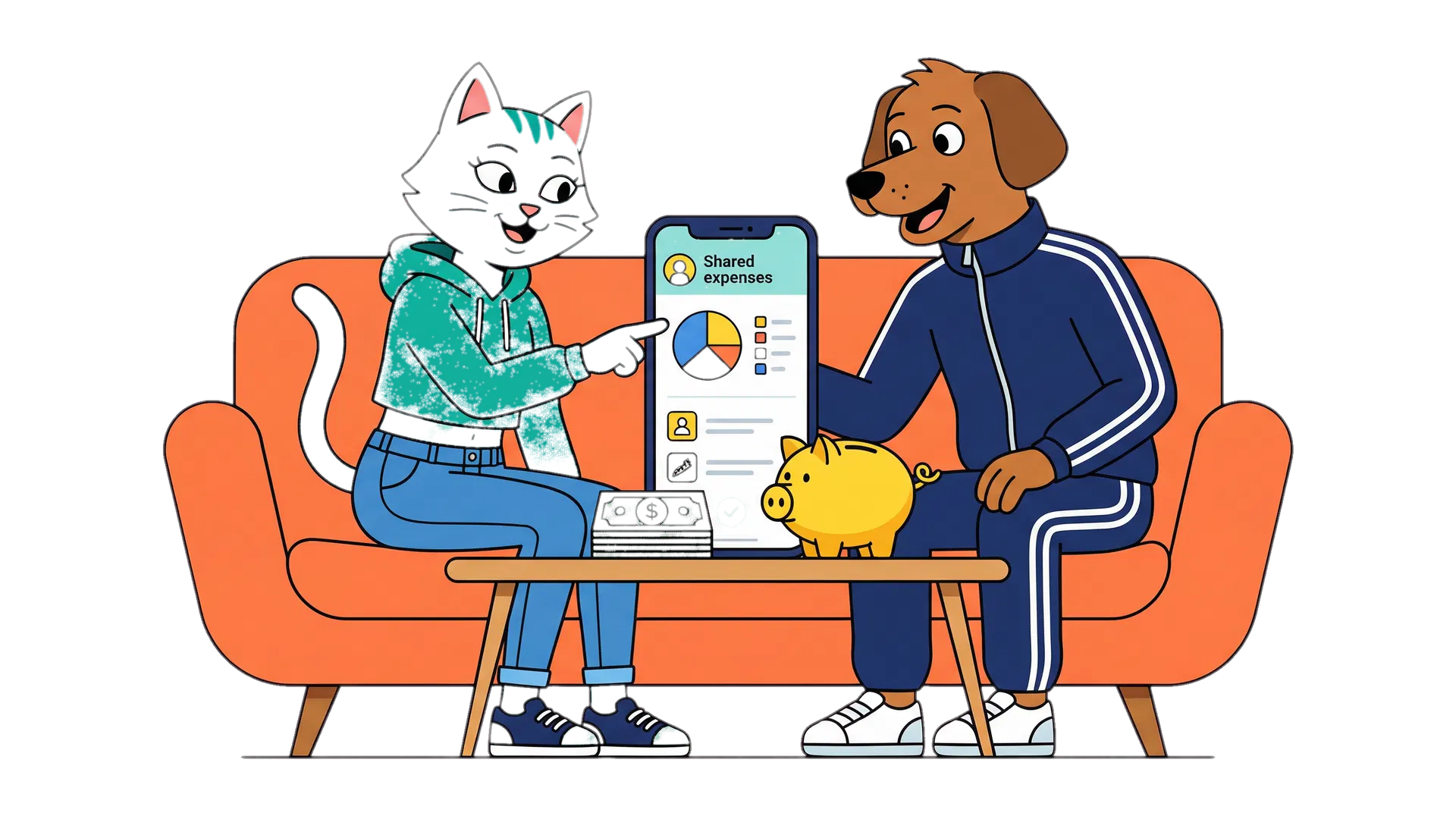
For couples and carers, a simple way to track shared spending is invaluable. You need something that clearly shows who paid what, and who owes whom. This is exactly where ReceiptKid shines. It’s a brilliant shared expenses app for couples and carers. Just snap a photo of a receipt, assign who paid, and ReceiptKid keeps a running balance. No more awkward conversations or forgotten payments.
Review and Adjust
Life changes. Incomes change. Spending habits change. What works today might not work in six months. Make it a habit to review your financial arrangement every few months, or when a big life event happens – a new job, a baby, or a big purchase. This regular check-in helps you stay on the same page and adapt your strategy as needed.
Whether you're navigating how to track shared spending couple style, or you're a carer managing finances UK for a loved one, the goal is clarity and peace of mind. Communication is your best friend, and tools like ReceiptKid can be your trusty sidekick. Why not give it a go? You can try ReceiptKid free for 30 days and see how much simpler managing money together can be.

The ReceiptKid Team
ReceiptKid — Family Money Made Simple